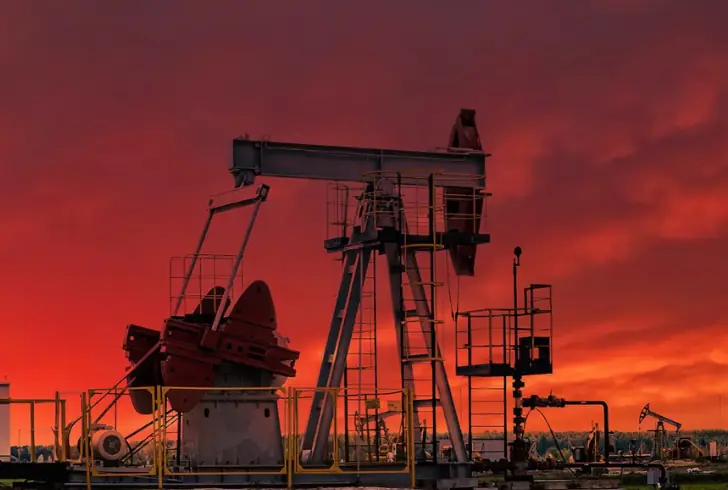
The global oil market is experiencing a significant shift as oil prices fall for the second day in a row. This decline has pushed prices to their lowest point in over a month, catching the attention of investors and industry analysts alike.
Political Shake-Up Takes a Back Seat
While U.S. President Joe Biden’s decision to end his reelection campaign made headlines, it didn’t seem to ruffle many feathers in the oil market. Traders appear more focused on the fundamentals of supply and demand rather than political drama.
A market analyst noted, “Biden stepping aside for VP Harris isn’t moving the needle much. What we’re seeing is a market responding to rising stockpiles and lackluster demand.”
Key Factors Behind the Recent Oil Prices Fall
Several factors are driving the current downward trend as oil prices fall:
- Rising global petroleum inventories – Stockpiles of oil and refined products are increasing, suggesting a potential oversupply.
- Weak technical outlook for the market – Analysts predict a balance by Q4 with a possible surplus next year, impacting prices.
- Soft demand across major economies – Sluggish demand is contributing to the decline in oil prices.
These elements are overshadowing geopolitical tensions that would typically drive prices higher. Even escalating conflicts in the Middle East haven’t been enough to counteract the bearish sentiment.
China’s Economic Maneuvers
In an effort to stimulate its economy, China, the world’s top oil importer, cut key interest rates. However, this move failed to bolster oil prices as expected. An industry expert explained, “The Chinese rate cut was too modest to lift overall sentiment in the crude oil market.”
Future Projections and Market Balance
Looking ahead, analysts are predicting a shift in the oil market’s dynamics:
• Q4 2024: -Expected market balance
• 2025 – Potential market surplus
• Brent prices – Forecasted to drop to mid-to-high $70s range
These projections suggest that the current tight market conditions may not last, potentially leading to further price declines in the coming years.
Federal Reserve’s Influence
The upcoming U.S. Federal Reserve meeting is another factor to watch. While rates are expected to remain steady, there’s speculation about a potential cut in September. A market strategist commented, “A hint of a near-term rate cut could be positive for risk-sensitive assets like oil.”
Geopolitical Tensions Simmer in the Background
Despite the market’s current focus on economic factors, geopolitical issues continue to bubble beneath the surface:
• Ongoing conflicts in the Middle East
• Attacks on shipping routes by Houthi rebels
• Israeli military operations in Gaza
While these events haven’t dramatically impacted oil prices so far, they remain potential flashpoints that could quickly alter market dynamics.
Energy Policy Debates Loom
As the U.S. political landscape shifts, energy policy is likely to become a hot-button issue. However, analysts don’t expect extreme changes regardless of the election outcome. A policy expert noted, “Neither candidate is likely to promote policies that would dramatically alter oil and gas operations.”
As oil prices fall, the market is demonstrating its complexity. Economic fundamentals are currently outweighing geopolitical concerns, but this balance could shift quickly. Investors and industry watchers will need to stay alert to both macro-economic trends and global events as they navigate these turbulent waters in the oil market.